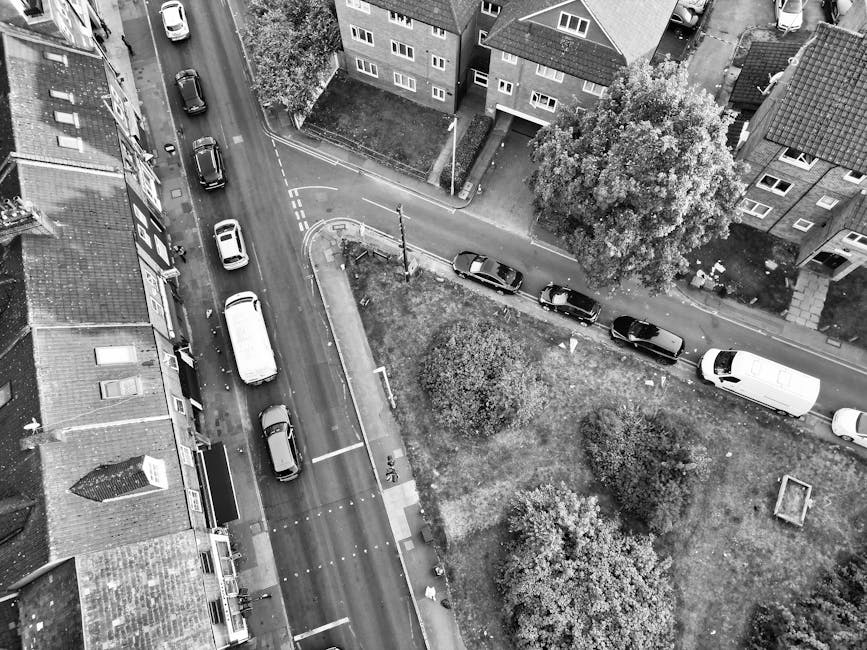
Moving House Balham High Road best removal routes
Moving house around Balham High Road can feel straightforward on paper, then suddenly very not straightforward once the van arrives, a side street is blocked, and you realise the sofa is wider than the stairwell. If you are trying to figure out the Moving House Balham High Road best removal routes, the real job is not just picking a road on a map. It is about timing, vehicle size, access points, parking, loading safety, and making sure the whole move stays calm enough that you can actually breathe.
This guide breaks down how to plan the best removal routes in and around Balham High Road, what to avoid, and how to make moving day feel less like a traffic puzzle and more like a controlled process. We will cover route choice, practical preparation, local access issues, storage options if timing gets messy, and the small decisions that make a big difference. Truth be told, a good move is usually won before the van even leaves.
Table of Contents
- Why Moving House Balham High Road best removal routes Matters
- How Moving House Balham High Road best removal routes Works
- Key Benefits and Practical Advantages
- Who This Is For and When It Makes Sense
- Step-by-Step Guidance
- Expert Tips for Better Results
- Common Mistakes to Avoid
- Tools, Resources and Recommendations
- Law, Compliance, Standards, or Best Practice
- Options, Methods, or Comparison Table
- Case Study or Real-World Example
- Practical Checklist
- Conclusion
- Frequently Asked Questions
Why Moving House Balham High Road best removal routes Matters
Balham High Road sits in a busy part of South London where traffic can change quickly. A route that looks shorter on a screen may actually cost you time once you factor in congestion, tight turning space, buses, delivery vehicles, and the odd impatient driver trying to squeeze through. If you are moving on a weekday, the pressure rises again because school runs, commuter traffic, and general daytime activity all stack up. You can lose an hour very easily. Sometimes more.
The best removal route is not always the fastest in miles. It is the safest, most predictable route for your specific move. For example, a smaller van collecting from a first-floor flat near Balham High Road may cope well with a tighter road network, while a larger house move may need a route that offers easier access, wider turns, and better stopping space. It sounds obvious, but many people only think about the destination. The approach matters just as much.
There is also the stress factor. If you know the van can reach the property without awkward reversing or multiple detours, everything feels easier. Less handling, less waiting, fewer chances for damage. You will notice the difference on the day. In our experience, the calmest moves are the ones where the route has been thought through in advance, not improvised outside with the kettle still unpacked.
How Moving House Balham High Road best removal routes Works
Planning a removal route is part geography, part logistics, and part common sense. Start by looking at both ends of the move. Where is the van coming from? Where can it safely stop? Can it park close enough to avoid long carries? Are there narrow turns, resident bays, yellow lines, or times when loading is more practical than normal parking? Those questions shape the route more than raw distance does.
A practical route plan usually has three layers:
- Main driving route - the road or sequence of roads the van will use between addresses.
- Access route - the final approach into the street or building entrance.
- Loading plan - where items are carried from and to, including lifts, stairs, and door access.
For Balham High Road moves, the loading plan is often the deal-breaker. A route can be perfect for a van but poor for a family carrying boxes across a long pavement or around parked cars. If a move includes awkward furniture or lots of fragile items, it may be worth thinking beyond route choice and looking at professional packing support or a combined removals and storage solution if your timings do not line up neatly.
The other piece of the puzzle is flexibility. The best route on the day may differ from the best route in theory. Roadworks, weather, event traffic, and parking restrictions can all change the picture. That is why experienced movers usually keep a backup route in mind. Not a dramatic detour across London, just a sensible alternative that can be used if the first plan becomes awkward.
Key Benefits and Practical Advantages
Choosing the right removal route around Balham High Road delivers more than convenience. It protects your belongings, saves time, and reduces the feeling that the whole day is running away from you. That alone is worth a lot.
- Less damage risk: Shorter carries and cleaner access mean fewer bumps, scrapes, and dropped corners.
- Better timing: A workable route helps the van arrive and unload without avoidable delays.
- Lower physical strain: If you are carrying boxes yourself, fewer awkward walks make a real difference.
- Improved parking confidence: A clear plan reduces last-minute circling and stressful double-parking decisions.
- More predictable costs: Time lost in traffic or access problems can increase labour time on some moves, so route planning helps keep things controlled.
There is also a quiet benefit people underestimate: decision fatigue. Moving day already asks a lot of you. If the route is sorted, one big chunk of mental load disappears. That means more attention for the things that actually need your judgment, like keys, documents, and whether the box labelled "kitchen" definitely contains the kettle. Spoiler: it often doesn't.
If you know you may need temporary holding space between addresses, you can also look at short-term storage or secure storage to make the route and schedule more forgiving. Sometimes a neat move is not about doing everything in one straight line. It is about creating a sensible buffer.
Who This Is For and When It Makes Sense
This guidance is useful for anyone moving within Balham, into Balham, or out towards nearby parts of South London where Balham High Road forms part of the access pattern. It is especially relevant if you are dealing with flats, maisonettes, shared buildings, or properties where parking is tight and loading time matters.
It makes particular sense for:
- Families moving larger households: More furniture means more loading time and more need for an easy van approach.
- Flat movers: Stairs, lifts, and entry access can turn a simple road into a complex move.
- Students or renters: Smaller loads still need careful route planning when transport windows are short.
- Small business owners: Office items, files, and equipment can be surprisingly awkward, even in modest volumes.
- People moving on a deadline: Chain pressure, tenancy dates, and storage gaps all make route reliability more important.
If your move is just a few boxes, you may not need the full logistical treatment. A smaller vehicle or flexible service can be enough. In that case, a man and van service or small removals option may be a better fit than a full-scale vehicle setup. To be fair, not every move needs a lorry and a clipboard.
Step-by-Step Guidance
If you want the best removal route from Balham High Road without overcomplicating it, follow a simple sequence. That is usually enough.
- Check both postcodes and access points. Do not just look at the street name. Look at which door the van needs to reach, where it can stop, and whether there are one-way roads nearby.
- Assess the size of the vehicle. A larger van may be efficient for one trip, but if it cannot turn or park safely, you may end up wasting more time.
- Look for pinch points. Narrow roads, busy junctions, school zones, and places with constant loading activity can slow you down.
- Plan timing around traffic. Early morning can be easier in some cases, but not always. Think about school traffic, commuter peaks, and local congestion patterns.
- Reserve or confirm parking where needed. If your move depends on a clear loading space, make sure you know what is possible and what is not. A route is only as good as the stopping point.
- Decide on handling support. If you have heavy items, awkward furniture, or lots of boxes, consider a service such as house removals or flat removals rather than improvising with friends and a borrowed trolley.
- Build in a backup option. If the main route becomes slow or blocked, have a secondary road or access plan ready.
One practical trick: walk the last 50 metres from the van stop to the door in your head. Where will the sofa pivot? Which box needs two hands? Does the front path have a slope or step? That tiny mental rehearsal saves a lot of mid-move muttering.
Expert Tips for Better Results
Route planning gets much easier when you think like the van driver and not just the person moving home. Here are the habits that usually separate a smooth move from a stressful one.
- Use the shortest walk, not just the shortest drive. A slightly longer route by road can be better if it avoids a long carry from the van to the property.
- Avoid turning your move into a traffic experiment. If one route is known to be awkward at certain times, believe that warning and choose another plan.
- Match vehicle size to access. A huge van is not always the smart answer. Sometimes a smaller, easier vehicle makes the whole operation faster.
- Protect the fragile route inside the property too. Door frames, communal hallways, and corners are where damage often happens, especially in older buildings.
- Keep essentials separate. Keys, phone chargers, documents, kettle, snacks. You know the drill. The "essentials" box is boring until it is absolutely everything.
Another useful habit is to separate route planning from packing decisions. People often mix the two and end up with overfilled boxes, badly timed loading, and a van that has to be rearranged twice. If your home is not ready all at once, placing a few items into household storage can reduce the pressure and make the route plan much easier to execute.
Also, speak plainly with the removals team. If there is a narrow gate, a shared driveway, a steep stairwell, or a loading bay that disappears after 10 a.m., say so. Experienced movers can work with imperfect conditions. What they cannot work with is surprise. Nobody enjoys surprise when a fridge is halfway through a doorway.
Common Mistakes to Avoid
Most moving problems around Balham High Road come from a handful of predictable errors. They are easy to make, which is probably why they show up so often.
- Choosing the route by distance alone. The shortest route is not always the best route for removal vehicles.
- Ignoring parking and loading restrictions. A beautiful route on the map can become useless if the van cannot stop legally or safely.
- Forgetting about the final approach. The route may be fine, but if the last street is too tight or blocked, the move slows immediately.
- Underestimating how long flat access takes. Stairs, lifts, and communal doors add real time.
- Not planning for delays. Even a modest delay can ripple through the rest of the day.
- Packing before route planning. It sounds harmless, but if the load ends up larger than expected, route and vehicle choices may no longer match.
One more common one: people assume the driver will "just know". Some do know a lot, of course. But local knowledge works best when it is combined with clear instructions. The route gets better when everyone is on the same page. Fancy concept, really.
Tools, Resources and Recommendations
You do not need specialist software to plan a move well. In many cases, a basic map, a measurement tape, and a notepad are enough. Still, a few simple tools help keep things grounded.
| Tool or resource | Why it helps | Best use case |
|---|---|---|
| Property measurements | Confirms whether large furniture will fit through doors, lifts, or stair turns | Flat moves, family homes, awkward furniture |
| Route notes | Helps identify access issues, one-way streets, and turn restrictions | Balham High Road approaches and nearby side streets |
| Packing labels | Makes unloading faster and reduces confusion at the destination | Every move, especially if storage is involved |
| Inventory list | Helps judge whether a smaller or larger service is more suitable | Commercial moves, larger households, mixed loads |
| Storage plan | Creates breathing room when completion and move-in dates do not align | Delayed keys, staged moves, refurbishments |
For people with mixed loads or a move that needs flexibility, a combination of removals and self storage can be very practical. And if you need a bit more support with fragile items, awkward wrapping, or just the jobs that eat time, packing services can reduce the risk of damage on the road.
If you are moving an office, files and equipment need a slightly different mindset. In that case, office removals or document storage may be more sensible than treating the move like a household shuffle. Different loads, different route priorities.
Law, Compliance, Standards, or Best Practice
For a local house move, the main compliance points are usually practical rather than complicated. You are looking at safe loading, lawful parking, sensible handling of goods, and clear communication about access. If a company is moving your belongings, it should be clear about insurance, care standards, and what happens if an item is delicate, very heavy, or difficult to access.
Best practice in the UK removals sector also means being careful with property access, not blocking emergency routes, and respecting building rules, neighbour access, and managed parking arrangements. If you live in a shared block, check any moving restrictions in advance. Some buildings have lift booking rules or time windows that can seriously affect your schedule. Not exciting, but very real.
You should also expect clarity about terms, payments, and liability. Reputable providers make it easier to understand what is included before move day. If you want to review company information before booking, the website's about us page, insurance and safety information, and health and safety policy are useful places to start. It is not flashy, but it builds trust in the right way.
For sustainability-minded moves, it can also help to think about packing waste and reuse. A move that avoids unnecessary wrapping, reuses sturdy boxes, and keeps disposal to a minimum tends to be kinder to your budget and to the planet. Small wins. They do add up.
Options, Methods, or Comparison Table
Different moves call for different route strategies. The best one depends on household size, access, time pressure, and how much lifting you want to do yourself.
| Method | Best for | Pros | Watch-outs |
|---|---|---|---|
| Direct full-house removal | Larger homes with clear access | Efficient, less back-and-forth, usually the cleanest schedule | Needs good parking and route space |
| Man and van | Smaller loads, flats, flexible moves | Flexible, often easier in tighter streets | May need more trips if the load is larger than expected |
| Removals plus storage | Moves with timing gaps or staged handovers | Reduces pressure if dates do not align | Requires extra planning and coordination |
| Small removals | Studios, one-bed flats, a few key items | Simple, efficient, less overkill | Not ideal for bulky or highly fragile loads |
If your move is mostly furniture or household goods, compare the route needs against the load. A bulky sofa and a narrow staircase may push you toward a smaller vehicle or a more controlled service. If the move is only a partial relocation, small removals may be all you need. If you are relocating a business unit or files, think about business storage alongside the route plan so nothing gets rushed.
Case Study or Real-World Example
Picture a typical move near Balham High Road. A couple is moving from a top-floor flat into a terraced house a short distance away. On the map, the journey looks simple. The problem is access. The flat has a tight stairwell, the house is on a busier stretch, and the most obvious parking spot sits just far enough away to make carrying a heavy wardrobe annoying.
Rather than choosing the shortest driving route, the movers choose the route that gives the van a better stopping position and avoids the heaviest congestion window. They also split the load into two parts: essentials and furniture. The essentials go first so the couple can start unpacking immediately. The furniture follows once the access space is clear. Nothing dramatic. Just a sensible order.
The result is a move that feels controlled. There are still small delays, because there almost always are, but the day does not unravel. The pair can find the kettle, the beds get assembled on time, and nobody ends the evening standing in the hallway wondering where the toaster went. That, honestly, is success.
In another common scenario, a tenant's move-out and move-in dates do not line up. The route itself is fine, but the timing is not. In that case, using short-term storage or even mobile self storage can make the route less rushed and the handover cleaner. Sometimes the smartest route is not a road at all. It is a pause.
Practical Checklist
Use this checklist before moving day. It keeps the route plan grounded and stops little oversights from becoming big headaches.
- Confirm both addresses and the exact entrance points.
- Measure large items and check if any need disassembly.
- Identify the best vehicle size for the access conditions.
- Check parking and loading restrictions near Balham High Road.
- Plan an alternative route in case of congestion or roadworks.
- Make sure keys, documents, and essentials are carried separately.
- Label boxes clearly by room and priority.
- Decide whether you need packing support or additional labour.
- Arrange storage if the move dates do not align neatly.
- Keep a phone charged and accessible on the day.
Quick takeaway: the best removal route is the one that fits the property, the vehicle, and the timing together. If one of those three is off, the whole move feels harder than it should. Get those aligned and the day improves almost immediately.
Conclusion
Finding the Moving House Balham High Road best removal routes is really about making smart choices before the van moves an inch. The right route can reduce stress, protect your belongings, save time, and keep the day from becoming a scramble. Around Balham High Road, where traffic, access, and parking all matter, those choices are especially valuable.
Think in layers: driving route, access route, loading plan. Then match the vehicle and service to the reality of the move, not the fantasy version where everything fits first time and the weather behaves. If you do that, you are already ahead of the game. And if you need a bit more flexibility, storage, or handling support, the right local service can make the whole thing feel much more manageable.
Get a free quote today and see how much you can save.
Frequently Asked Questions
What is the best removal route for moving house on Balham High Road?
The best route depends on where the van can stop safely, which roads are less congested at your moving time, and how far items must be carried. The shortest route is not always the best one.
Should I choose the route with the least traffic or the shortest distance?
Usually the route with the least overall disruption is best. A slightly longer route can be smarter if it avoids tight turns, parking problems, or busy loading spots.
Is a larger van always better for a Balham move?
No. A larger van can reduce the number of trips, but it may also be harder to park or manoeuvre near the property. For some flats and tighter streets, a smaller vehicle is easier.
How early should I plan my removal route?
Ideally a few days before the move, and earlier if parking or access is likely to be awkward. That gives you time to check timings, vehicle size, and any building restrictions.
What if I cannot park close to the property?
Then you should factor in extra carrying time and possibly a smaller vehicle or extra help. If the walk is long, the move becomes slower and more tiring, so route choice matters even more.
Do I need storage if my moving dates do not match?
If there is a gap between leaving one property and entering the next, storage can be a very practical solution. Short-term options are often best for temporary gaps, while longer moves may need more flexible planning.
Are packing services worth it for a local move?
They can be, especially if you have fragile items, lots of boxes, or not much time. Packing properly also makes the route more efficient because loading and unloading are less chaotic.
How do I know whether I need flat removals or house removals?
If you are moving from a flat with stairs, shared access, or lift constraints, flat removals are often the better fit. House removals are usually more suited to larger homes with simpler access.
What should I do if the route looks fine but the building access is difficult?
Prioritise access over the road route. If stairs, lifts, or narrow hallways are the real problem, those issues will slow the move more than the drive itself.
Can removals and storage be arranged together?
Yes, and it can be a smart option if your dates are tight or your belongings need to be held between properties. It makes route planning less pressured and gives you more flexibility.
What is the most common mistake people make with removal routes?
They focus on the map and forget about parking, unloading space, and final access to the door. That is where delays usually start.
How do I keep moving day calm near Balham High Road?
Keep the route simple, allow extra time, label everything clearly, and avoid last-minute decisions. Calm moves tend to come from preparation, not luck. A bit of luck helps, of course, but not as much as good planning.
If you are comparing services, you may also want to review pricing and quotes before booking, so you can match the route plan to your budget without rushing. A well-planned move always feels better than a rushed one, and that peace of mind is worth quite a lot.